Trending

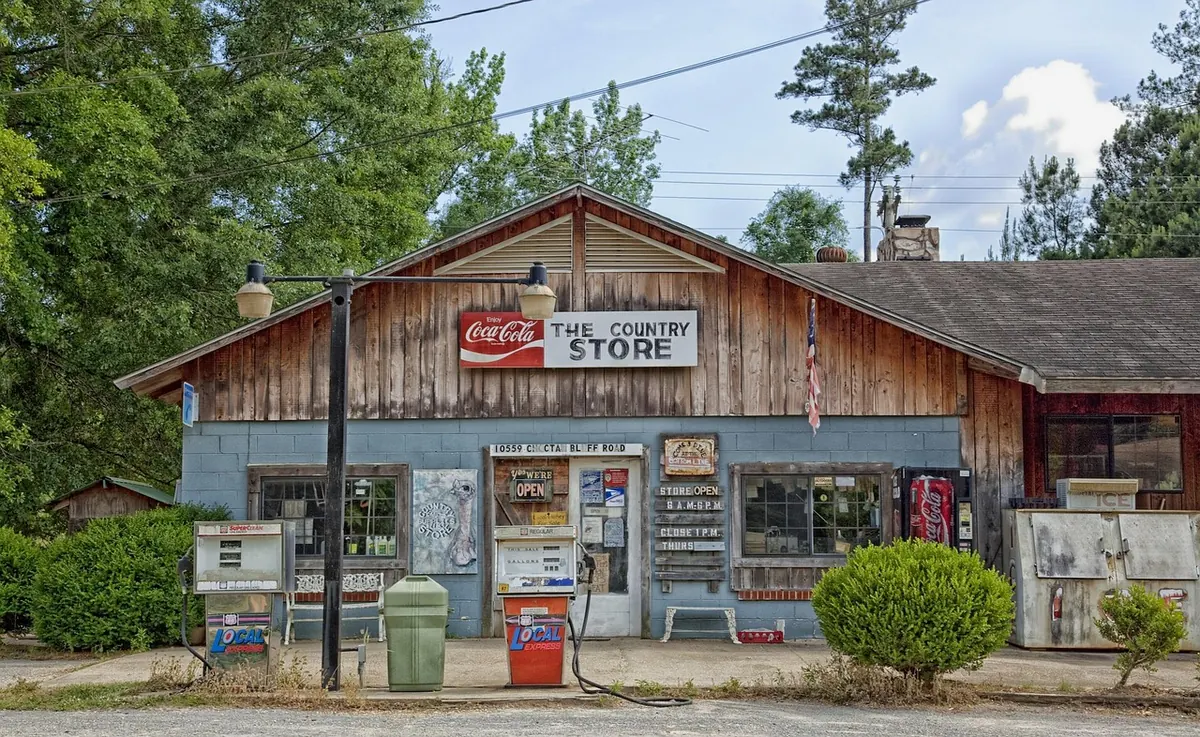
Walk down the Dale Quarter high street on a Saturday morning and you can buy a pint of milk from a chain, a loaf from a baker who knows what you usually order, and a replacement tap washer from a shop that has been selling them since long before either of those opened. Both kinds of shop want the same money in the till, and they are almost never good at the same things. So it is worth asking what you actually get for yours.
The chain usually wins on headline price, and it is not being sneaky about it. It buys by the pallet, negotiates hard, and can afford to lose money on a few items to pull you through the door. An independent buys in smaller quantities, pays more per unit, and has to make a margin on nearly everything it sells.
That is the easy part. The harder question is what a price includes.
There are ways to close the gap. Ask whether the shop does a discount on a full box or case, which many independents will offer if you are buying for a family or an event. Buy fresh food in smaller amounts more often so less of it ends up in the bin. And if you are comparing a cheaper shop across town with one on your doorstep, count the bus fare and the hour.
Chains win this one on paper, and often in practice. Their hours are fixed, posted, and rarely change. They open early, close late, and stay open on bank holidays when half the high street has pulled the shutters down. For a printer cartridge at eight in the evening, that reliability matters.
Small shops have odd hours for good reasons. The greengrocer opens early because the delivery arrives at six. The deli shuts on Mondays because the market is shut. A repair shop may open only three days a week because the owner is at the workbench the other four.
Odd does not mean unhelpful. Regulars often find that an independent will take a phone order, hold something behind the counter, or arrange a collection outside normal hours. None of that shows on the sign in the window.
The practical rule: never trust a website or a faded sign for a small shop's hours. Phone first. It takes ten seconds and saves a wasted trip.
In a chain, the person serving you works to a script and may be on a different aisle next week. That is not their fault, but it limits what they can tell you. Ask about the difference between two products and you will often get a shrug and a suggestion to look it up.
In an independent, the person behind the counter is usually the owner or someone who has worked there for years. They can tell you which of the two is better for your kitchen, which size you actually need, and whether a repair is worth the money or whether you should replace the thing. Some will order in a size they do not stock, take your number, and ring you when it lands.
It is worth saying plainly: independents do not have a monopoly on good service. A busy, tired shopkeeper can be worse than a well-run chain with clear pricing and a returns policy that works. Judge the shop, not the category.
Chains are built for breadth. One shop covers cleaning products, stationery, snacks, socks and phone chargers, and you will find the same layout in any town in the country. If you know exactly what you want, that predictability is genuinely useful.
Independents are built for depth. They sell one kind of thing and carry all of it: the obscure drill bit, the fabric in the right weight, the spice you cannot find anywhere else, the part for a machine that stopped being made years ago. A good independent is a research tool as much as a shop.
Try this before you order online. Take the broken item to the counter and ask. Most shopkeepers would rather order it for you than watch you leave, and many can get it within a few days.
Neither type of shop is a moral choice. They do different jobs, and the high street is better with both.
You do not need to rearrange your week. A handful of habits will get you most of the benefit.
Chains keep the basics cheap and the lights on late. Independents keep the high street worth walking down. Knowing which one you are walking into, and why, is the whole trick.
Photo: 12019 / Pixabay